
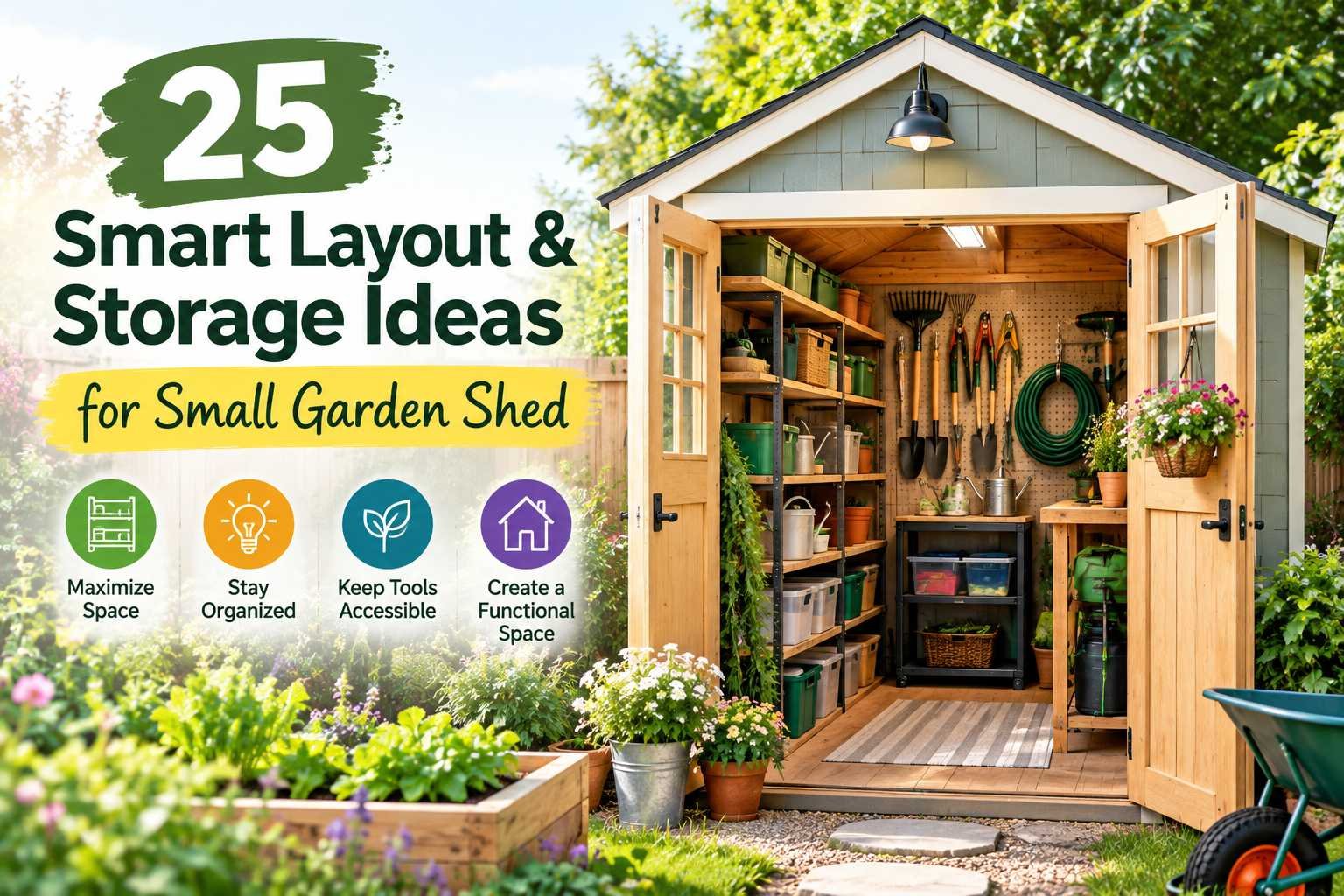
A small garden shed does not have to feel cramped or cluttered. With creative layout choices, smart organization systems, and space-saving furniture, even the most compact shed can become an efficient storage hub or a comfortable outdoor retreat.
Wall & Overhead Storage Systems
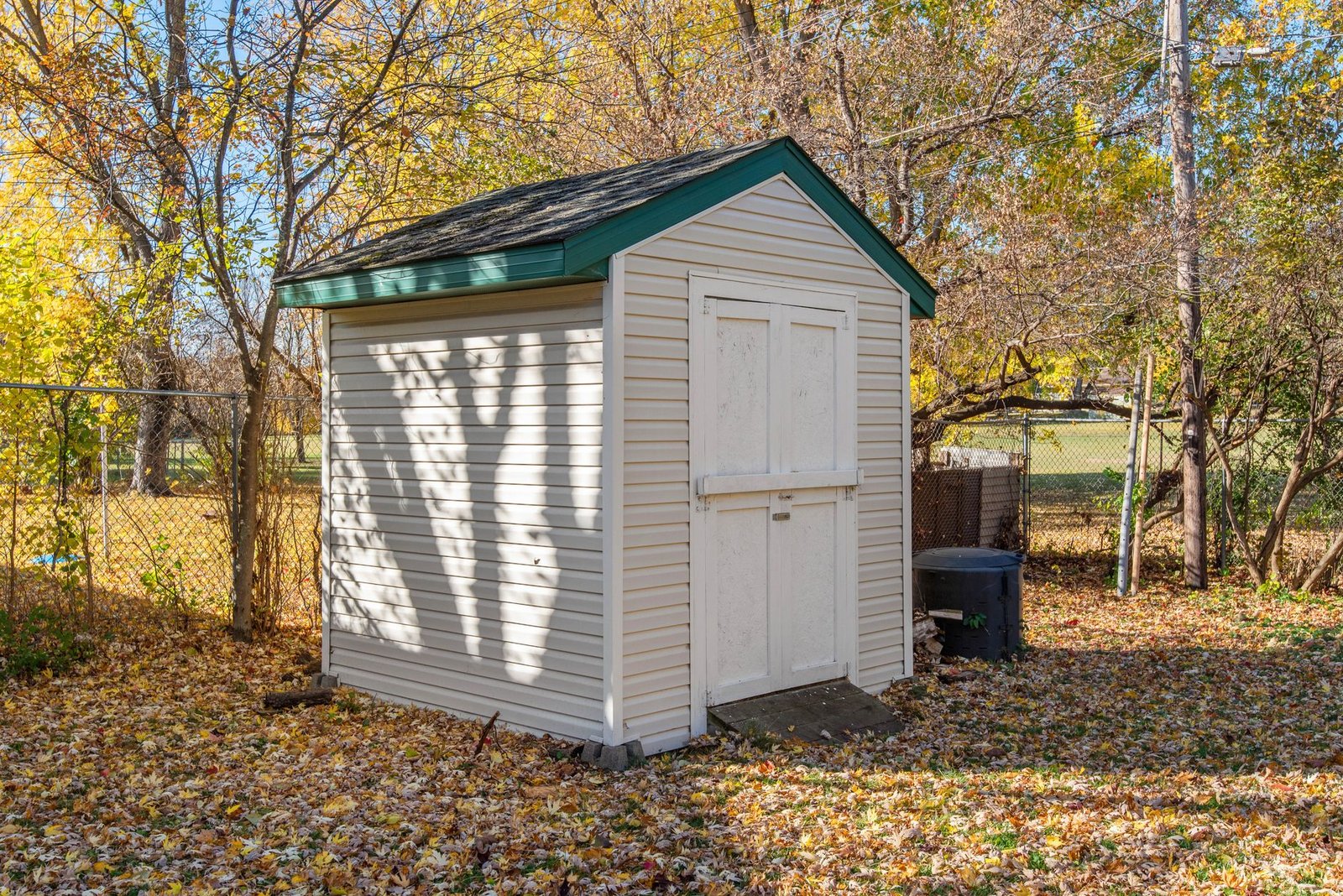
1. Install a Heavy-Duty Pegboard
A pegboard is an effective way to keep small tools and accessories organized inside a shed. Mounted directly onto the walls, it allows you to hang items like secateurs, trowels, watering cans, and garden gloves. The pre-drilled holes let you adjust hooks and shelves as your storage needs change, making it ideal for tight spaces. You can paint the board to match your shed’s interior, and choosing a weather-resistant version ensures durability in damp outdoor conditions.
2. Add a Hanging Overhead Storage System
Hanging storage saves precious floor space. Use ceiling hooks or heavy-duty overhead rails to suspend larger items like ladders, rakes, edgers, and string trimmers. Choose galvanized or stainless steel hardware to prevent rust. Ensure tools are positioned so they do not interfere with doorway clearance or ventilation, and always stay within the manufacturer’s weight limits.
3. Utilize the Shed Door for Light Storage
The inside surface of the shed door is often underutilized. Mounting shallow racks or utility hooks lets you store lightweight accessories such as:
- Gardening gloves
- Hand trowels and transplanters
- Garden twine and wire
- Spray bottles
- Hand brushes and hand pruners
Note: Keep hardware light so the door hinges remain aligned and can open and close smoothly.
Modular Bins, Shelves & Workspaces
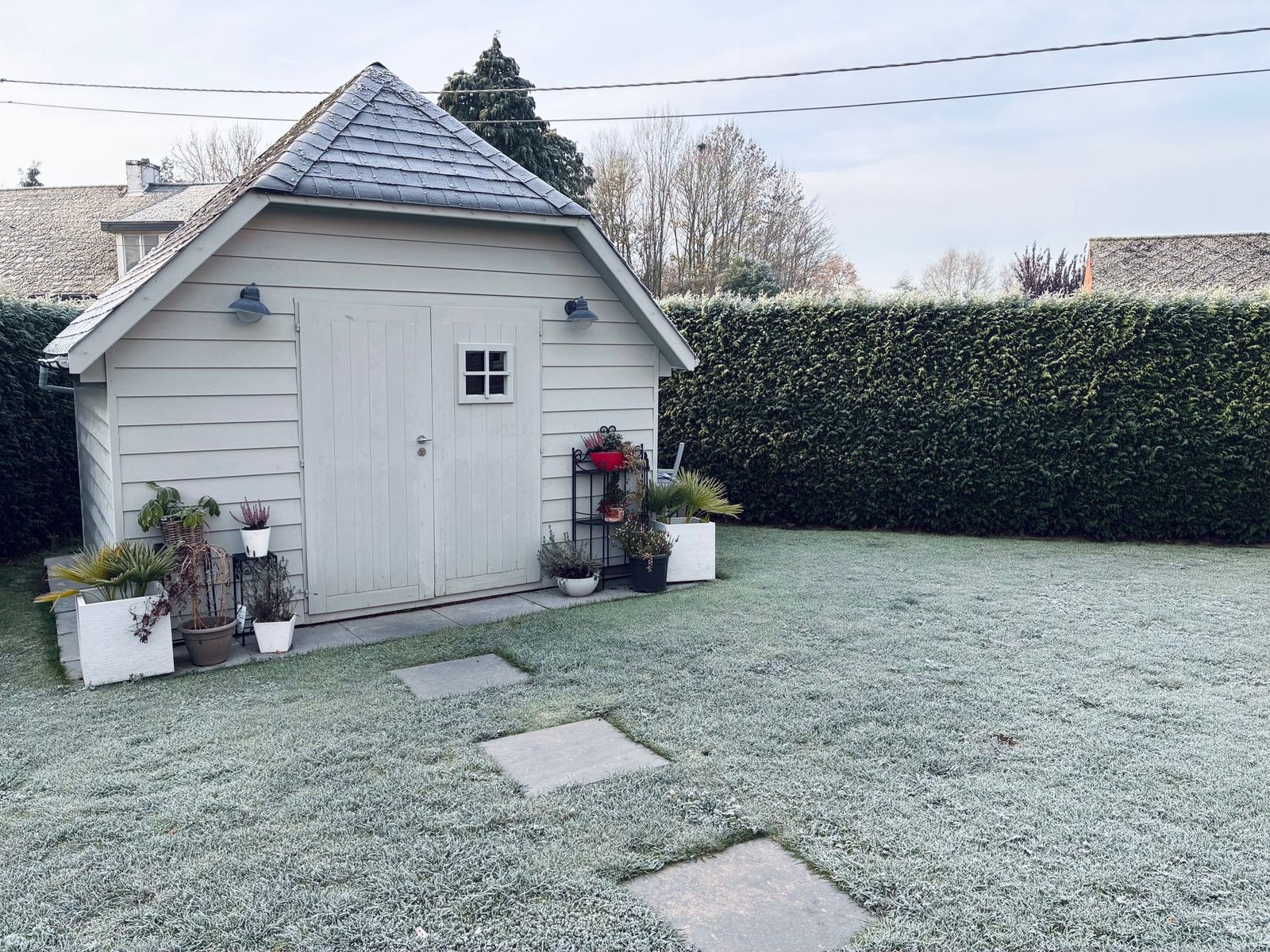
4. Use Stackable Storage Bins
Stackable plastic bins keep small supplies tidy, protected, and off the floor. Transparent containers let you identify contents instantly without opening every lid. Clearly label each bin with categories such as:
- Bulbs and seed packets
- Potting soil and compost bags
- Pruning tools and shears
- Hose accessories and nozzles
- Bird feeders and seed
Stacking bins vertically maximizes overhead height. Choose models with secure lids to protect contents from dust, ambient moisture, and pests.
5. Add a Heavy-Duty Shelving Unit for Large Items
Larger equipment—like lawnmowers, wheelbarrows, and bulky pots—requires structured storage. Heavy-duty metal or reinforced wood shelving units built along the back wall keep heavy gear on lower shelves for stability while lighter items sit up high. For extremely tight layouts, consider folding or sliding shelf brackets that flatten against the wall when not in use.
6. Build a Compact Workbench with Built-In Drawers
A narrow workbench with integrated drawers provides a dedicated potting area without taking over the room. The drawers keep seed packets, tags, and delicate hand tools organized, while the tabletop stays clear for active projects. Position the bench near a window for natural light, and choose weather-treated wood or composite materials that resist humidity.
7. Create a Dedicated Mobile Tool Trolley
Instead of scattering tools across different shelves, keep them together on a rolling tool trolley. A mobile cart allows you to move your most-used tools directly into the garden during work sessions and roll them back inside when finished. Look for carts with locking casters, deep trays, and tool slots to prevent items from shifting.
Specialty Layouts & Outdoor Integration
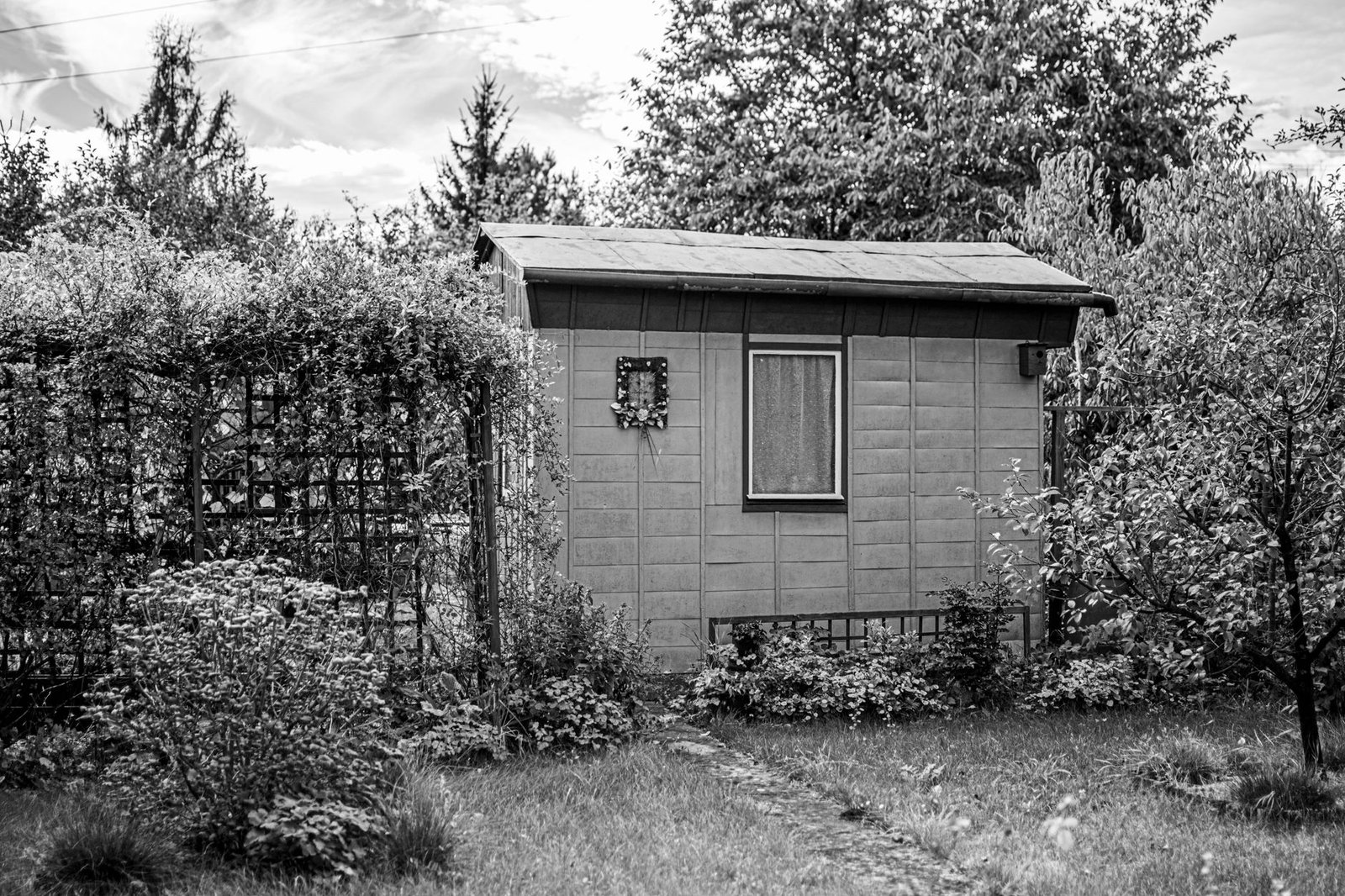
8. Transform Your Shed into a Cozy Garden Retreat
A small shed does not have to be limited to utility storage. It can also serve as a peaceful garden sanctuary—a quiet spot for reading, enjoying morning coffee, or unwinding. Add a comfortable armchair, a compact side table, and battery-powered LED lighting. Planting climbing roses or jasmine around the exterior adds charm and blends the structure into the landscape.
9. Create a Functional Mini Garden Office
If you need an outdoor workspace, a small shed can be converted into a compact home office. Converting a utility shed into a usable office space requires extra preparation, including:
- Weatherproof insulation
- Safe electrical wiring and outlets
- Space heating and cooling/ventilation
- Task and overhead lighting
- Secure window and door locks
10. Incorporate the Shed into a Courtyard Garden
In compact courtyard spaces, position the shed along a boundary wall rather than in the center of the yard. Matching the shed’s timber stain, paint finish, or trim to neighboring fences, paving, and planters creates a unified look that makes the entire courtyard feel larger.
11. Add a Decorative Path to the Entrance
A simple pathway built from stepping stones, gravel, brick pavers, or flagstones connects the home to the shed while keeping feet clean during wet weather. Framing the path with low-growing perennials or border shrubs seamlessly integrates the structure into the garden landscape.
12. Keep Structure Dimensions Proportionate
The most important design rule for small garden sheds is maintaining proper scale relative to your yard. Before buying or building a shed, measure:
- Garden width and depth
- Overhead tree or eaves height
- Door swing clearances
- Access clearance from property boundaries
Always ensure sufficient open yard space remains for outdoor seating, recreation, and gardening.
How to Choose the Right Shed Size & Materials
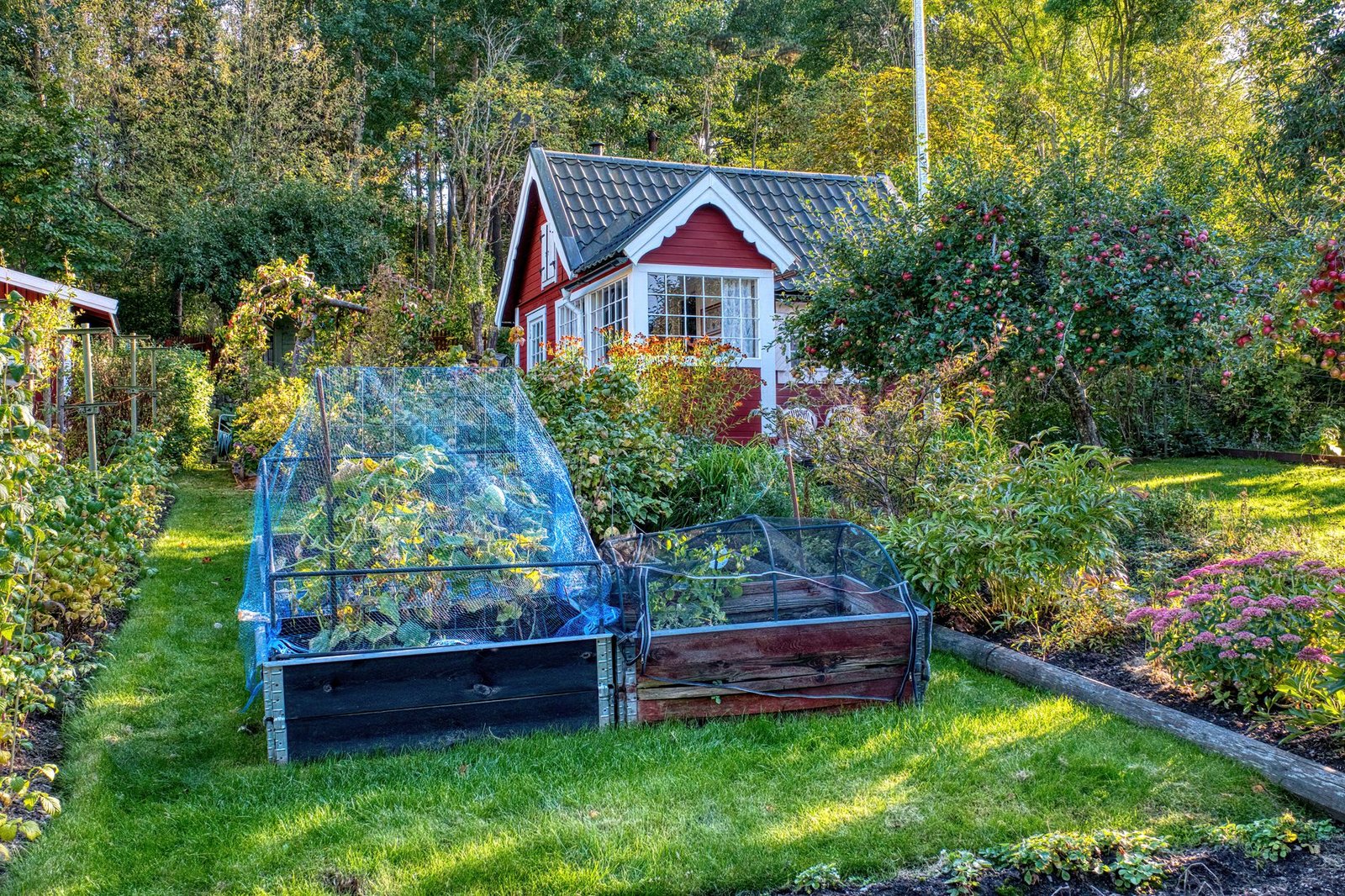
Determining Your Storage Needs
Before purchasing a shed, list every item you plan to store. Categorize large floor-bound items (mowers, bikes, wheelbarrows) first, then plan vertical storage for hand tools and seasonal gear. This prevents buying a model based on exterior looks that lacks sufficient interior volume.
Material Comparison
| Material | Key Benefits | Maintenance Needs |
| Pressure-Treated Wood | Traditional aesthetic, customizable paint/stain, highly durable. | Requires periodic painting, staining, or sealing. |
| Resin / Plastic | Rot-proof, rust-proof, lightweight, easy assembly. | Low maintenance; requires occasional surface washing. |
| Galvanized Metal | Highly secure, fire-resistant, budget-friendly. | Requires proper ventilation to prevent interior condensation. |
Best Practices for Internal Organization
Organize your shed using a vertical tier strategy:
- Floor Level: Heavy machinery, mowers, wheelbarrows, and heavy pots.
- Lower Shelving: Soil bags, fertilizer, and heavy containers.
- Eye-Level Shelving: Daily tools, spray bottles, and hand implements.
- Upper Shelving: Seasonal decor, holiday items, and empty pots.
- Walls & Pegboards: Long-handled tools, saws, and extension cords.
- Door Racks: Twine, gloves, hand shears, and small hardware.
Common Shed Design Mistakes to Avoid
- Purchasing Without Measuring: Always measure your site and check door clearance before buying.
- Ignoring Ventilation: Poor air circulation creates trapped humidity, leading to rust on metal tools and wood rot.
- Overpacking the Interior: Leave walking aisles clear so tools can be retrieved safely.
- Blocking Natural Sunlight: Avoid placing tall sheds where they cast unwanted shade over flowerbeds or home windows.
- Overlooking Building Regulations: Check local property setback rules and homeowner association guidelines before installation.
Frequently Asked Questions
What is the ideal shed size for a small garden?
A shed measuring 6 ft wide by 4 ft deep ($1.8\text{ m} \times 1.2\text{ m}$) provides ample storage while maintaining a low footprint. Utilizing vertical height allows you to maximize storage without taking up extra lawn space.
Do I need planning permission for a small garden shed?
In many regions, outbuildings under 2.5 meters in height that cover less than 50% of the total garden area do not require formal planning permission. However, you should always check local municipal regulations regarding property boundary setbacks.
How can I increase storage in a compact shed?
Focus on vertical wall systems. Installing wall-mounted tracks, pegboards, ceiling hooks, door-mounted racks, and full-height corner shelving multiplies usable capacity without taking up floor space.
Can a shed be placed directly against a garden fence?
It is best to leave a gap of at least 1 to 2 feet between the shed and a fence. This space allows for routine building maintenance, prevents moisture buildup, and ensures proper air circulation.
Summary
Designing a shed for a small garden is about choosing the right balance between scale, layout, and functionality. By leveraging vertical wall space with pegboards and hanging racks, investing in modular stackable storage, and keeping walking pathways clear, even the smallest structure can keep your garden organized and clutter-free.
3 thoughts on “25 Smart Layout & Storage Ideas for Small Garden Sheds”