
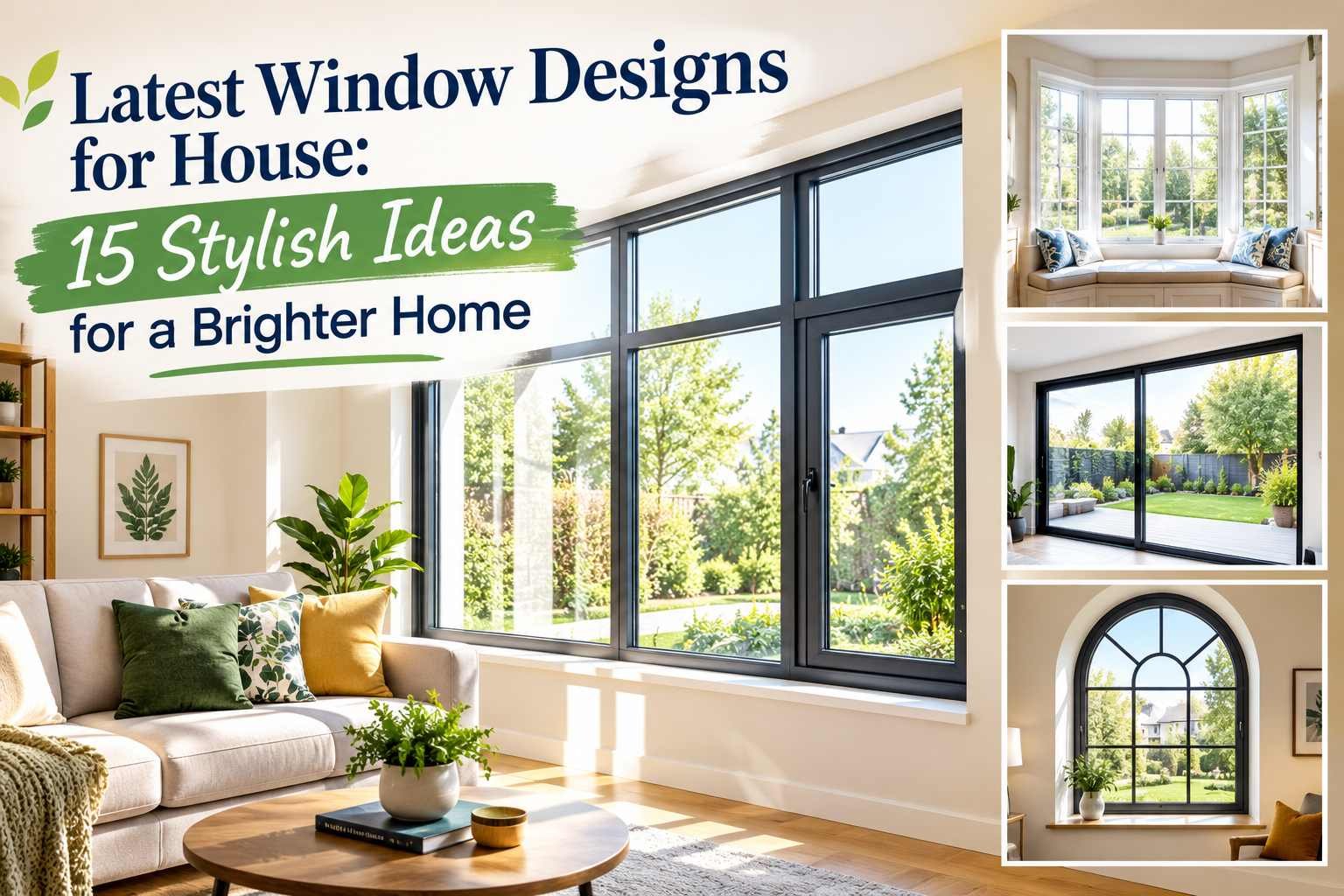
The latest window designs for house interiors combine natural light, practical ventilation, and a strong connection to the outdoors. From slim black frames to soft arches and wide picture windows, the right style can change how a room feels without making the rest of the decor complicated. The best choice depends on your home’s architecture, privacy needs, local climate, and budget.
Some current design coverage points toward larger glass areas, clean frame profiles, and more expressive trim colors. Those looks can be adapted to different homes: a wide picture window may suit a modern living room, while a painted frame or a single arched opening can add character without replacing every window.
1. Frame a view with a large picture window
A picture window is a fixed pane that does not open. Its simple design gives an unobstructed view of a garden, tree canopy, or distant landscape. It works especially well in a living room or dining area where ventilation can come from nearby operable windows.
Before choosing an oversized pane, consider the direction it faces. A sunny window can make a room bright, but it can also add heat and glare. Window performance should suit your climate and the room’s exposure, so compare the product ratings as carefully as the appearance.
2. Choose slim frames for a clean, modern look
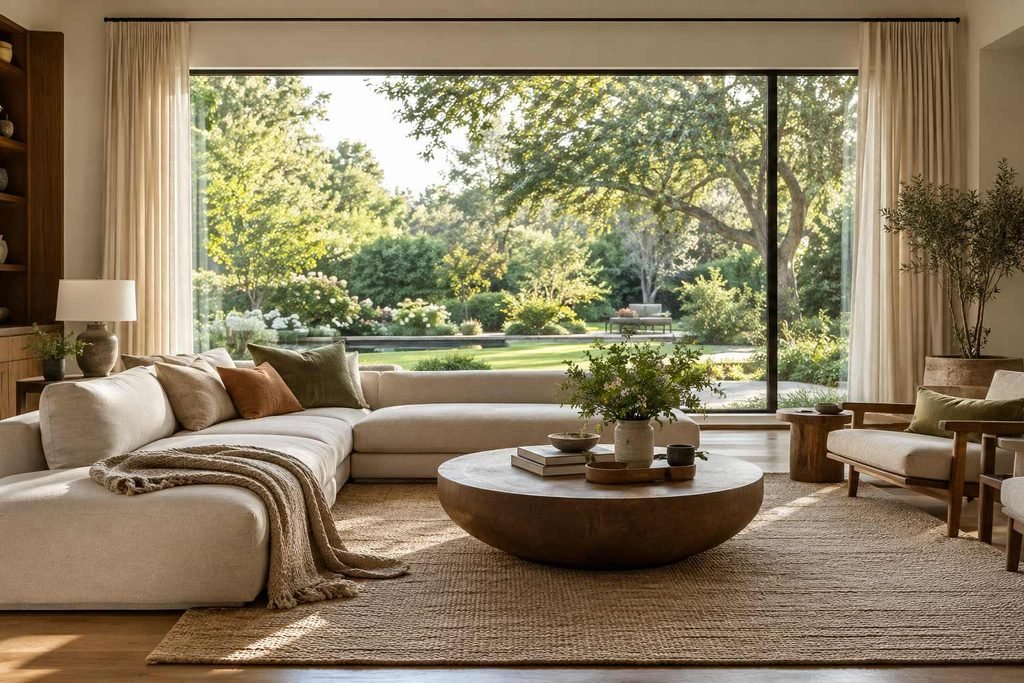
Slim frames give glass more visual presence and make the window feel less bulky. This style pairs well with contemporary, Scandinavian, and updated farmhouse interiors. Black is a popular choice for contrast, but charcoal, bronze, warm gray, and even soft white can create a quieter finish.
Think about how the frame color will look from both inside and outside. Dark frames can define a view and connect with black hardware or lighting. Light frames tend to blend into pale walls. If you like the look but want a softer room, use dark frames on the exterior and a lighter finish inside if the product allows it.
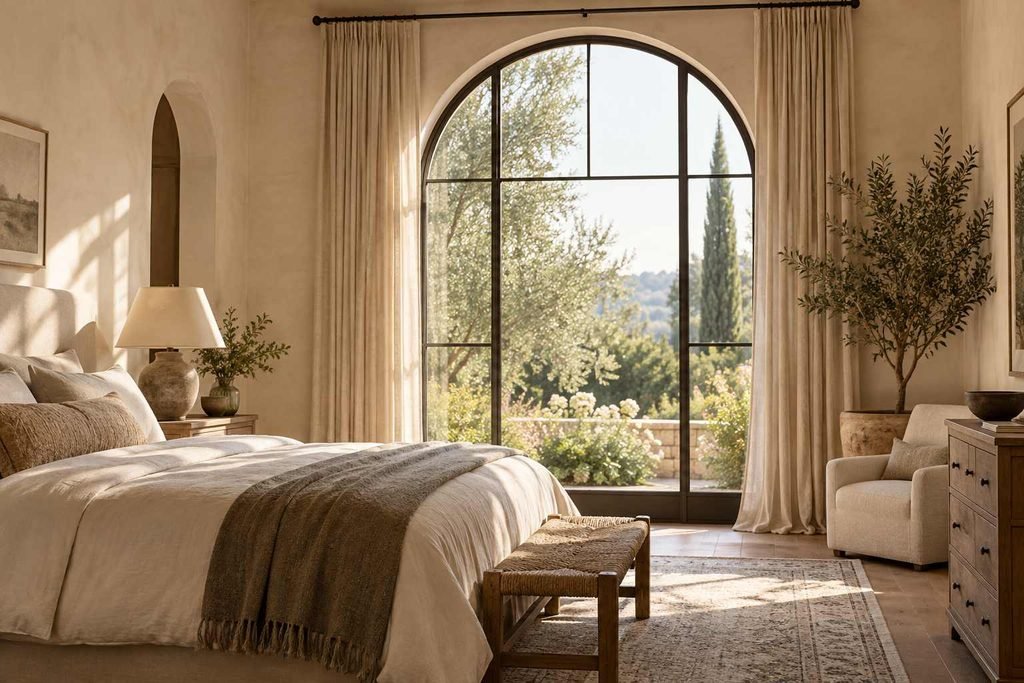
3. Add an arched window for a softer outline
An arched window introduces a curved shape among the straight lines of walls, doors, and furniture. A single arch can become a focal point in a bedroom, entryway, or stairwell. It can also complement traditional homes, Mediterranean-inspired spaces, and modern rooms that need a little softness.
Let the shape stand out by keeping nearby decor simple. Long curtains mounted above the arch can emphasize the height, while a shade fitted to the window preserves the curve. Consider privacy and access for cleaning before placing an arched window high on a wall.
4. Install a wide horizontal window above the kitchen sink
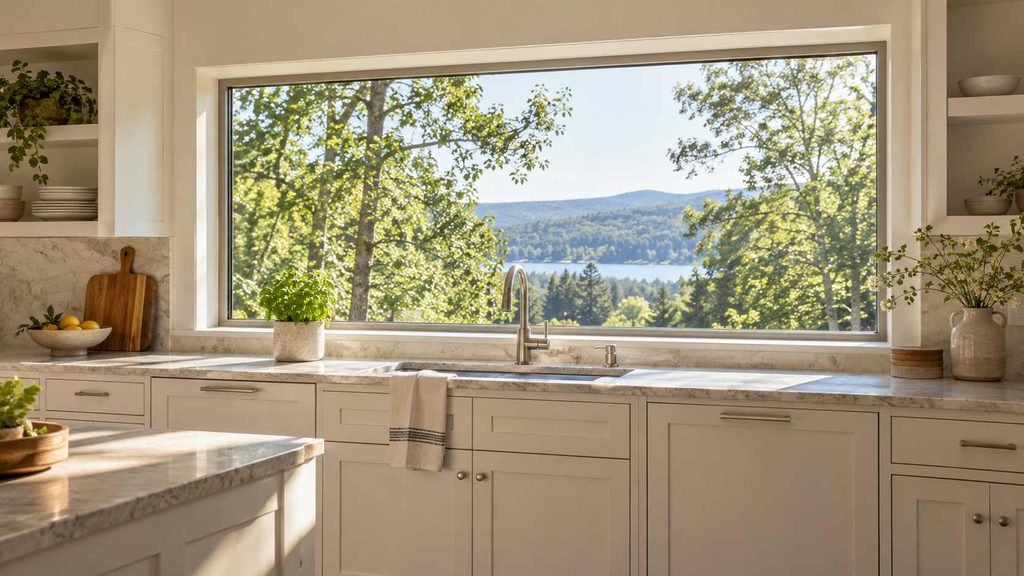
A long horizontal window brings daylight to the kitchen while keeping wall space available for cabinets. Placing one over the sink can make a daily task feel more pleasant, especially if it looks toward a garden or an attractive courtyard.
Measure the backsplash, faucet height, and cabinet layout before deciding on the window size. If you want the window to open, check that the hardware is easy to reach and does not conflict with the faucet. A fixed center pane with operable sections at the sides is one possible arrangement.
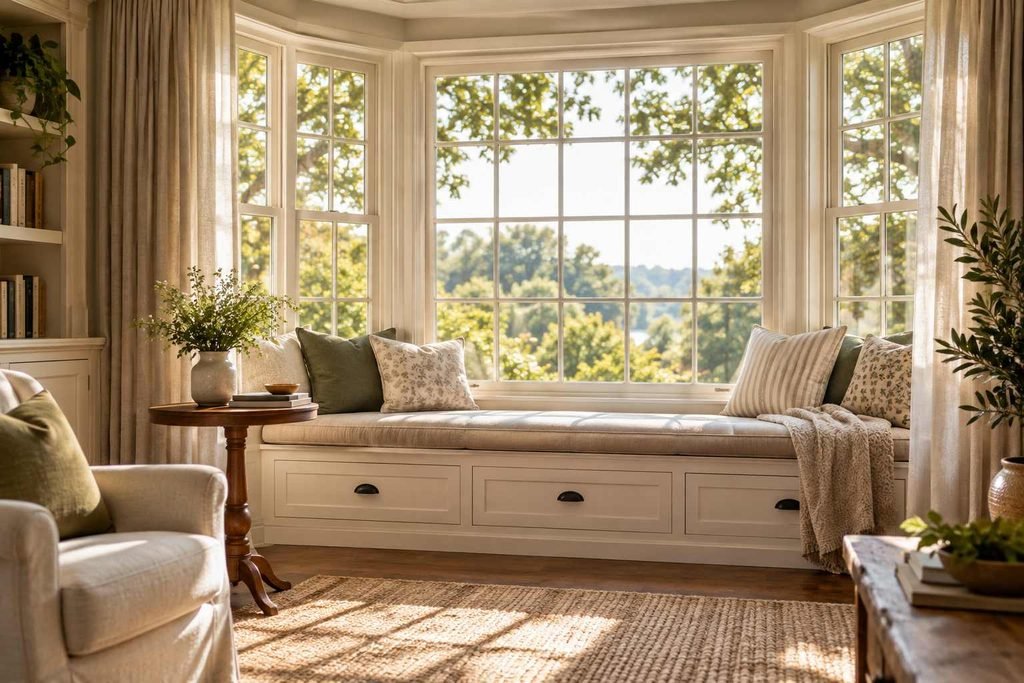
5. Use a bay window to create a useful nook
A bay window extends outward from the wall, creating a small interior nook. Depending on its depth, it can hold a cushioned seat, a few plants, or a narrow display ledge. In a dining room, a bay can also create space for a compact table.
Built-in seating makes the most of the alcove, and drawers underneath can add storage. Keep cushions and upholstery away from excessive direct sun, which can fade some fabrics over time. If the space is shallow, use a bench cushion and a few pillows instead of oversized furniture.
6. Bring in a restrained grid pattern
Window grids, sometimes called grilles or muntins, divide the glass into smaller sections. A simple pattern can give a new window a more traditional feel or help a replacement match the home’s original style. Grids are common on Colonial, cottage, farmhouse, and Craftsman-inspired homes.
The pattern matters. A few larger panes often feel calmer than many small squares, particularly on a contemporary exterior. Look at the grid from indoors as well as outdoors, since it will shape the view from every room. For easier cleaning, ask whether the bars are between the glass panes or applied to the surface.
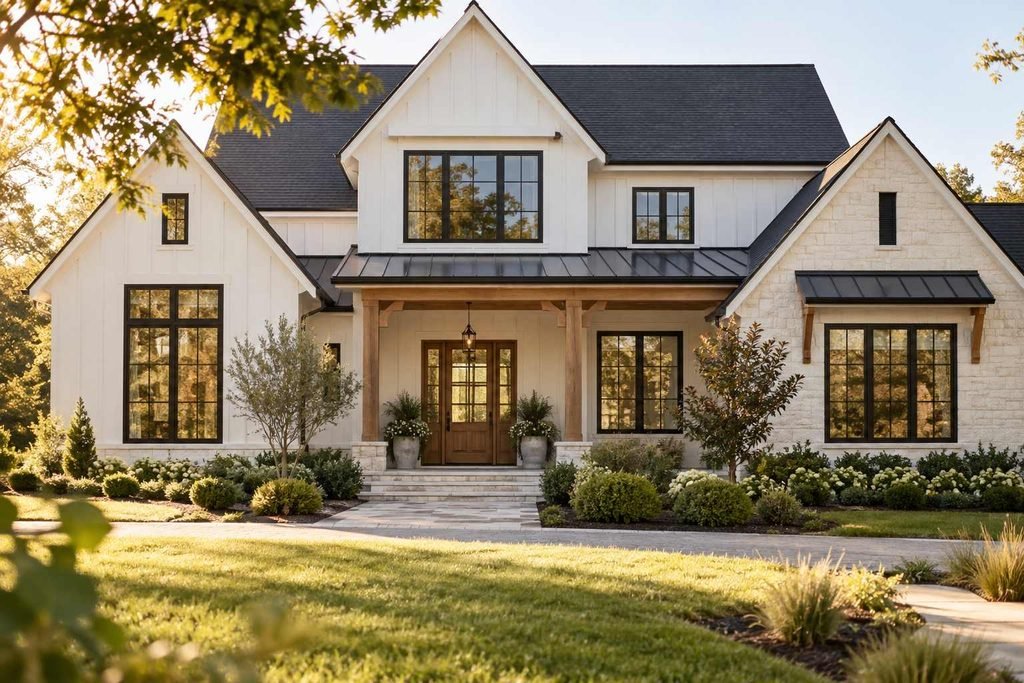
7. Make black grid windows part of the exterior design
Black frames with divided panes can create a crisp contrast against white siding, brick, or light stone. They can suit both traditional homes and modern farmhouse exteriors when the grid pattern and frame thickness match the scale of the facade.
Use dark windows intentionally rather than repeating black everywhere by default. A few exterior details—such as a front door, porch light, or rail—can tie the frames into the rest of the house. If the facade is already visually busy, a simpler window pattern may look more balanced.
8. Give an existing window a fresh look with painted trim
Replacing windows is a major project. Painting the surrounding trim can be a less expensive way to emphasize the window shape or bring color into a room. Contrasting trim is getting renewed attention in current decorating coverage, where designers describe it as a way to make a functional architectural detail feel intentional.
Try the color on a small section first and view it in daylight and at night. Deep green, muted blue, charcoal, and warm brown can all work, depending on the wall color and the rest of the room. Use paint suitable for the trim material and follow the manufacturer’s preparation instructions.
9. Use casement windows where airflow matters
Casement windows are hinged at the side and open outward with a crank. They can catch breezes when positioned well and provide a wide opening for ventilation. Their uninterrupted glass also gives a room a relatively clean view.
Make sure there is enough clearance outside for the sash to swing open. Casements may not suit every walkway, porch, or narrow side yard. If the window is above a counter or difficult to reach, choose hardware that is comfortable to operate and easy to maintain.
10. Consider sliding windows for tight spaces
Sliding windows move along a track rather than swinging into or out of the room. This makes them useful where a casement might hit a walkway or exterior obstruction. They are often chosen for contemporary homes and for rooms where simple operation is a priority.
The tradeoff is that part of the opening remains covered by the sliding sash, so the clear opening may be smaller than the full window. Keep the track clean and check that the locking mechanism is secure. For bedrooms, confirm that the selected window meets local egress requirements before ordering.
11. Pair picture windows with operable side panels
A large fixed window can provide a broad view, while operable windows on either side allow ventilation. This combination can look balanced on a facade and offer more flexibility than one large fixed pane alone.
The panels do not have to be identical in every room. A central picture window with casements can suit a wide living room, while a smaller window with double-hung side panels may fit a traditional exterior better. Think about how the arrangement appears from the street and how easy each section will be to clean.
12. Try floor-to-ceiling glass where the setting suits it
Tall windows can make a room feel connected to a patio, courtyard, or scenic view. They are often used in living rooms, stairwells, and open-plan spaces. For an indoor-outdoor effect, pair them with a sliding or folding door nearby.
Large glass areas need thoughtful shading and privacy planning. Sheer curtains, exterior awnings, trees, or adjustable shades can help manage glare. In rooms with direct sun, ask a window professional about suitable glazing for the home’s climate and orientation.
13. Use clerestory windows to bring in light from above
Clerestory windows sit high on a wall, often near the roofline. They can brighten a room while maintaining privacy at eye level. This makes them useful in bathrooms, hallways, kitchens, and rooms where neighboring homes are close.
Because they are high, think about cleaning and operation during the planning stage. Fixed glass may be appropriate where ventilation is not needed; operable units can help release warm air if installed safely. A row of smaller windows can also echo a roofline or create a quiet architectural feature.
14. Choose frosted or textured glass where privacy is important
Frosted, reeded, or patterned glass lets light pass through while obscuring a clear view. It works well in bathrooms, front doors, sidelights, and windows facing a neighboring house. If you want some view, consider using privacy glass only on the lower section of a taller window.
Different glass textures diffuse light differently, so look at samples before deciding. A subtle pattern often feels timeless, while a strong design can become a more noticeable decorative feature. Confirm that the glass type suits the location and safety requirements.
15. Use warm frame colors for a softer finish
White and black are not the only options. Bronze, brown, taupe, and other warm neutrals can suit wood floors, natural stone, brick, and earthy exterior palettes. These colors may feel less stark than black while still outlining the window.
Bring samples home and compare them beside the siding, flooring, and trim. Colors can look different in direct sunlight, shade, and indoor lighting. If you are replacing several windows, ask to see a corner sample or a small mock-up before committing to the finish throughout the house.
How to choose a window style for your home
The shape and finish matter, but so do function and performance. Start by asking what the room needs: more daylight, better airflow, privacy, a clearer view, or a stronger connection to an outdoor space. Then consider the style of the house and how the new window will look on the exterior.
For a U.S. home, compare the window’s U-factor and solar heat gain coefficient (SHGC) for your climate. The Department of Energy explains that U-factor measures heat transfer through the window, while SHGC measures how much solar heat enters. The most suitable values vary by location and exposure, so check the ENERGY STAR climate zone guidance and the product’s NFRC ratings before buying.
Also consider:
- Frame material: Vinyl, wood, fiberglass, and aluminum each have different looks and maintenance needs.
- Opening style: Think about ventilation, cleaning, furniture placement, and exterior clearance.
- Privacy: Decide whether curtains, shades, landscaping, or textured glass will be needed.
- Installation: Poor installation can affect comfort and performance, even when the window itself is well rated.
- Local rules: Historic districts, homeowners’ associations, and building codes may affect what you can install.
When comparing latest window designs for house projects, look beyond the photos. Ask for the full product specifications, warranty information, and installation details. A well-chosen window should look right with the home and work comfortably through different seasons.
Frequently asked questions
Which window style is popular for modern homes?
Large picture windows, slim frames, and simple geometric shapes are common in contemporary homes. Casement and sliding windows can complement the clean look while providing ventilation where needed.
Are black window frames still a good choice?
They can be. Black frames create strong contrast and often work well with light siding, brick, and modern exteriors. If you want a less dramatic look, consider bronze, charcoal, or a warm neutral frame.
What is the best window style for a small room?
A window that brings in useful daylight without taking up interior space can work well. Depending on the room, this might be a tall casement, a horizontal window above a counter, or a fixed picture window paired with an operable panel.
Do larger windows make a house more energy efficient?
Not automatically. Larger windows can bring in more daylight and views, but their effect on heating and cooling depends on glazing, frame construction, orientation, shading, and installation. Compare NFRC ratings and choose products suited to your climate.
Which windows offer the most privacy?
Frosted or textured glass can provide privacy while still admitting light. For a clear view, use curtains, shades, or exterior landscaping. The best approach depends on the room and how close neighboring homes are.
Can I update my windows without replacing them?
Often, yes. New curtains, shades, painted trim, or improved hardware can refresh the look. If the windows have drafts, damage, or persistent condensation, ask a qualified professional to inspect them before deciding whether replacement is needed.
Conclusion
The right window can brighten a room, improve its view, and give the exterior more character. Start with the needs of each room, then choose a frame, shape, and opening style that suits the home. Compare performance ratings for your climate and plan for privacy, shading, and maintenance. With those details in mind, the latest window designs for house projects can feel current while still working well for years to come.
2 thoughts on “Latest Window Designs for House: 15 Stylish Ideas for a Brighter Home”