
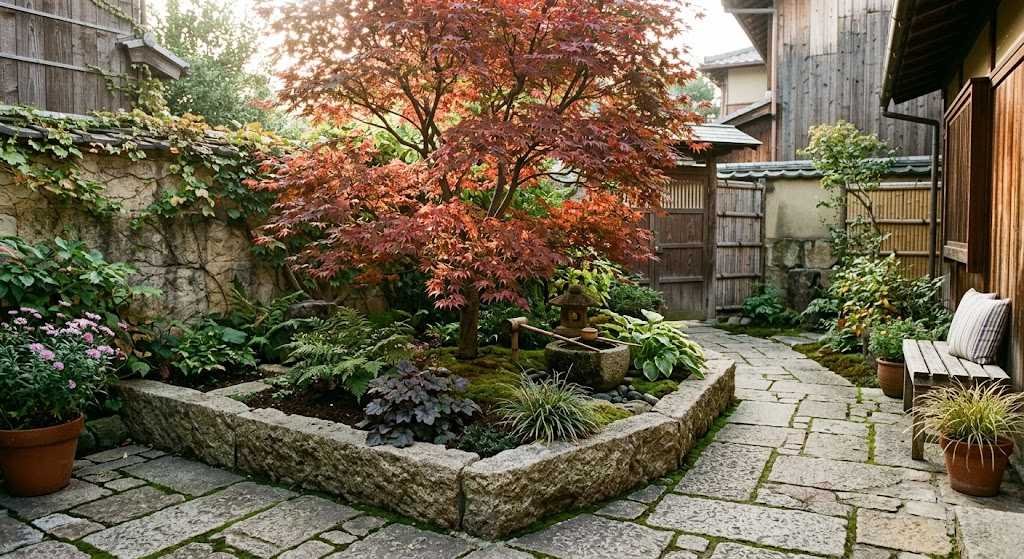
Choosing the right small garden tree can transform an outdoor space without making it feel crowded. Trees add vertical structure, shade, seasonal color, flowers, fruit, and wildlife value while occupying minimal ground area. The key is selecting a variety that naturally aligns with your garden’s size, soil, sunlight exposure, and overall design layout.
Even a tiny courtyard, patio, or narrow backyard can benefit from thoughtfully chosen trees. Many ornamental varieties remain compact naturally, while columnar and container-grown options work exceptionally well where horizontal space is limited. Horticultural experts emphasize considering a tree’s mature height and spread rather than judging it by the size of the sapling at purchase.
What Makes a Good Tree for a Small Garden?
The ideal choice should naturally fit the space instead of requiring constant heavy pruning to remain manageable. Look for compact varieties, narrow or fastigiate forms, dwarf cultivars, or trees that thrive in containers.
Key Factors to Consider Before Purchasing:
- Mature Height and Spread: The ultimate size of the full-grown canopy.
- Rooting Characteristics: Non-invasive root systems safe for nearby structures.
- Sunlight and Soil: Compatibility with your garden’s microclimate and soil drainage.
- Seasonal Appearance: Year-round visual interest through flowers, foliage, bark, or fruit.
- Maintenance Requirements: Pruning, watering, and leaf-clearing needs.
- Proximity to Boundaries: Safe clearance from walls, fences, and utilities.
25 Small Garden Tree Ideas
1. Japanese Maple (Acer palmatum)
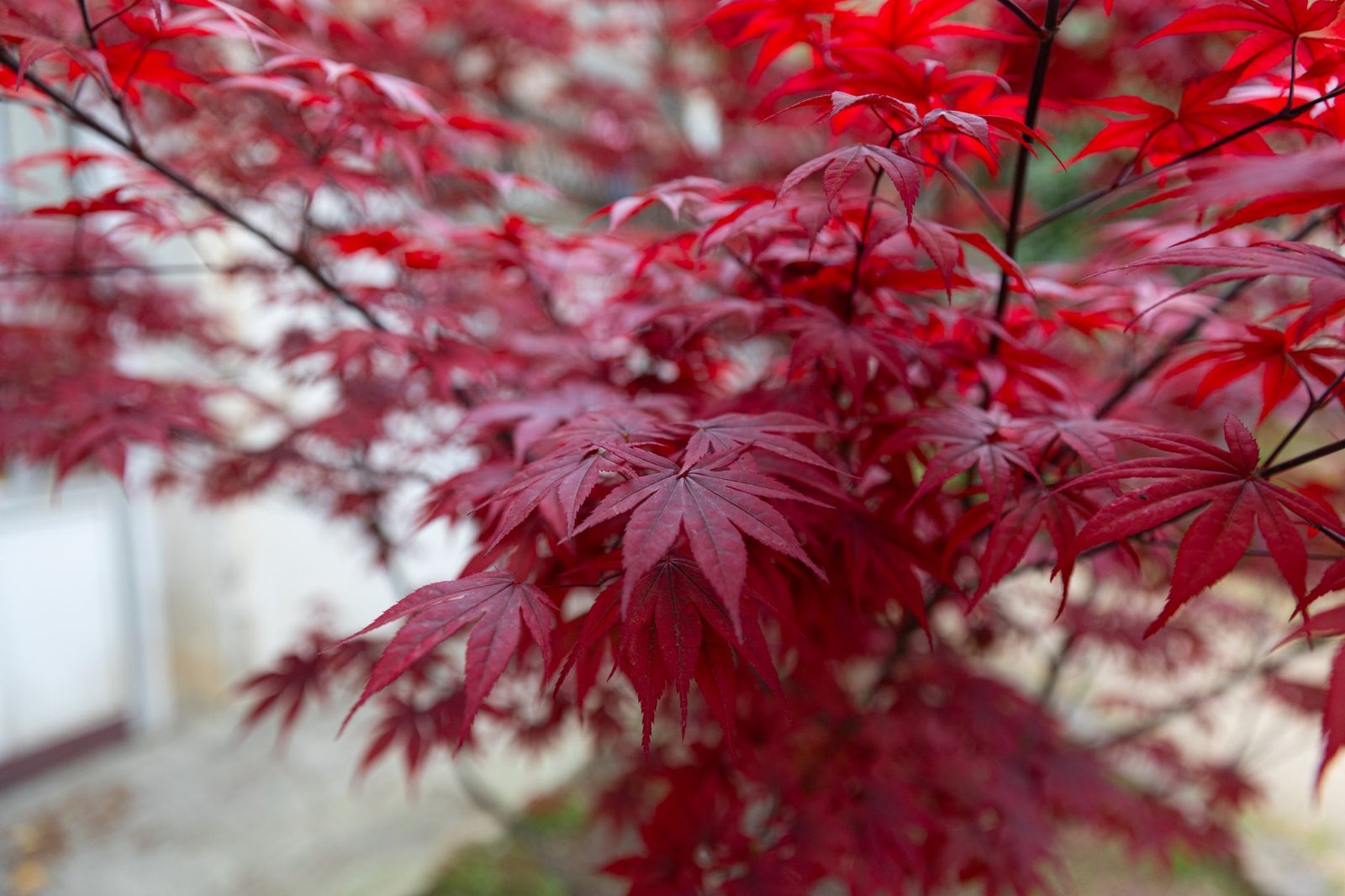
Japanese maples are a classic choice for compact gardens due to their delicate foliage, striking branching, and vibrant autumn leaf displays in shades of red, bronze, or purple. They work beautifully as focal points near seating areas, patios, or garden paths, and many cultivars tolerate light shade.
2. Flowering Cherry (Prunus)
A compact flowering cherry delivers an stunning spring floral display without dominating a small yard. Columnar cultivars are particularly useful where lateral space is tight. Select a variety based on its eventual canopy spread rather than just flower appearance.
3. Crabapple (Malus)
Crabapples offer four-season interest, featuring fragrant spring blossoms, attractive summer foliage, colorful autumn fruits, and winter silhouette value. The small fruits also attract songbirds to the garden.
4. Serviceberry (Amelanchier)
Serviceberries are versatile multi-season trees. They produce delicate white spring flowers, edible summer berries enjoyed by wildlife, and brilliant orange-red autumn foliage.
5. Dogwood (Cornus)
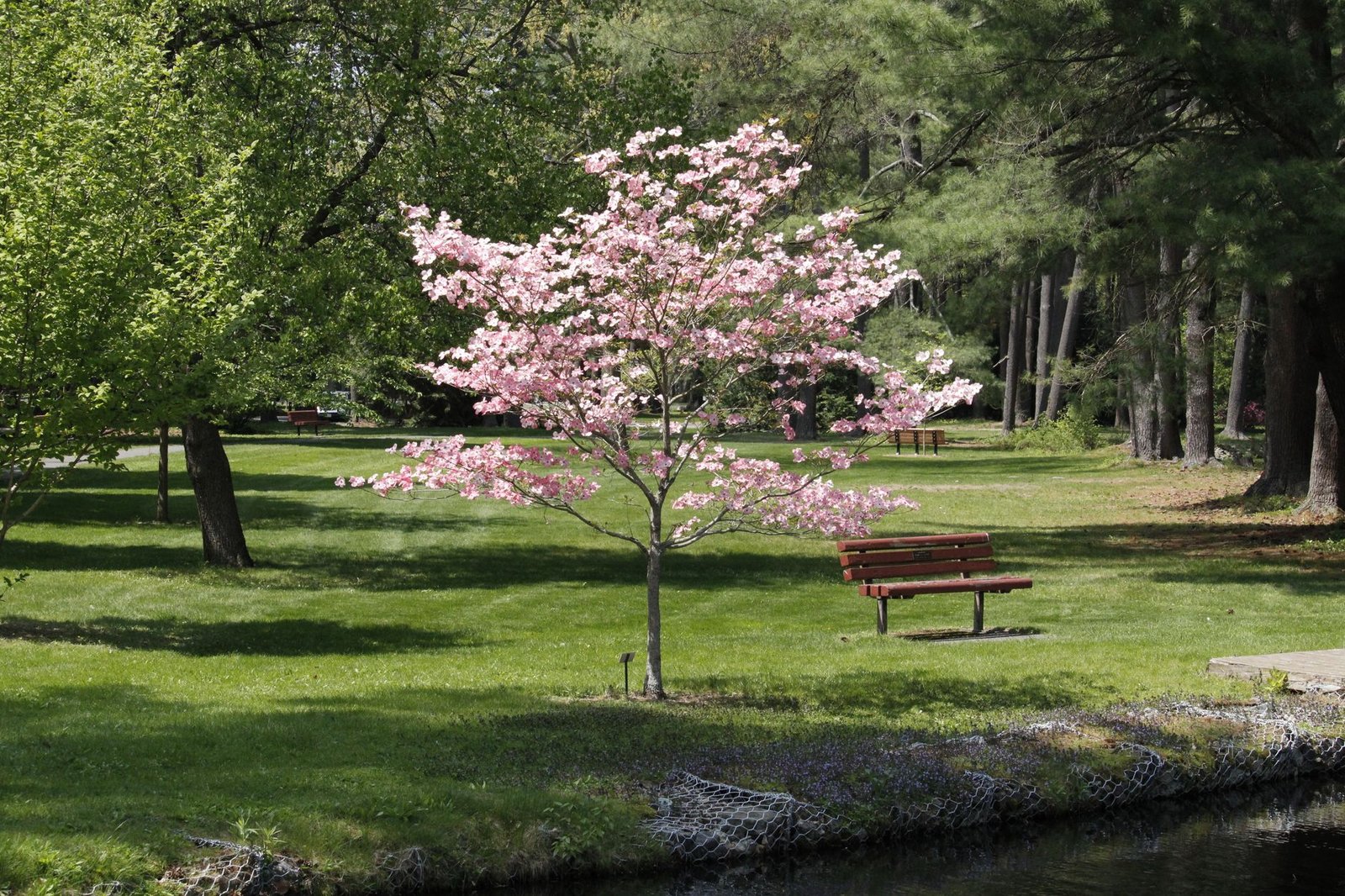
Ornamental dogwoods provide striking spring bracts, lush summer leaves, vibrant fall color, and colorful winter stems or bark. A compact dogwood makes an excellent center-piece surrounded by shade-tolerant perennials.
6. Star Magnolia (Magnolia stellata)
Star magnolias bring elegant, star-shaped spring flowers to compact gardens. Their naturally slow growth and manageable size make them ideal for positioning near windows or patio seating.
7. Dwarf Fruit Tree
Dwarf apples, pears, plums, and cherries on dwarfing rootstocks allow you to grow fresh fruit in compact yards. Many varieties can also be trained vertically against sunny walls or fences as espaliers, fans, or cordons.
8. Olive Tree (Olea europaea)
In sheltered or milder microclimates, an olive tree provides a distinct Mediterranean aesthetic. Its fine, silver-green foliage offers delicate contrast against darker green garden shrubs.
9. Bay Tree (Laurus nobilis)
Bay trees provide rich evergreen foliage and culinary usefulness. They respond very well to topiary shaping and thrive in pots, allowing for easy mobility and size control.
10. Amelanchier ‘Obelisk’
Columnar cultivars like Amelanchier ‘Obelisk’ grow upward rather than outward, making them ideal for narrow borders, pathways, entrance gates, or side passages.
11. Paperbark Maple (Acer griseum)
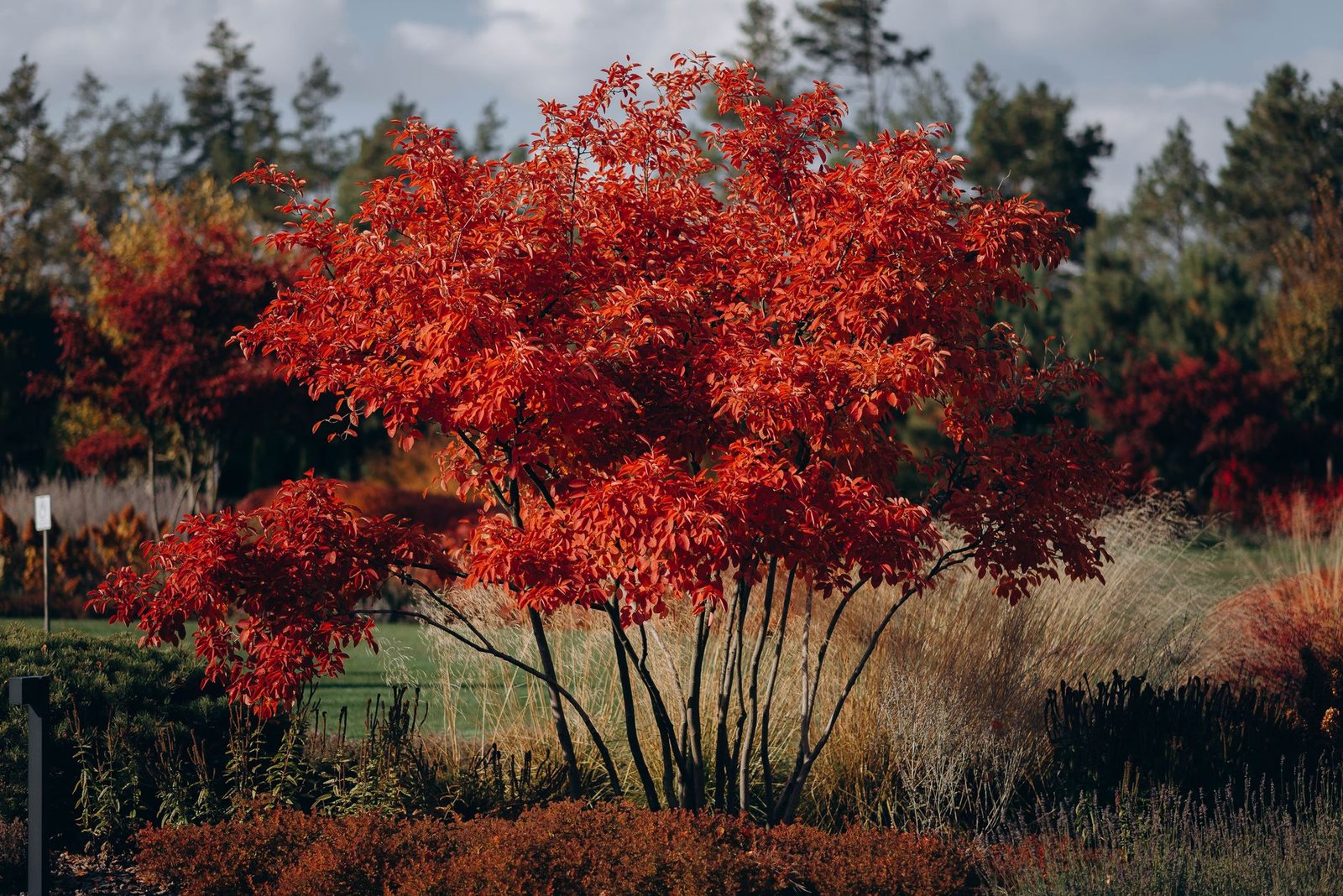
Value-packed for small spaces, the paperbark maple features rich cinnamon-colored peeling bark that glows in winter sunlight, alongside striking red autumn leaves.
12. Columnar Cherry
Upright cherry varieties allow gardeners to enjoy classic cherry blossoms while preserving valuable ground space and avoiding a wide, light-blocking canopy.
13. Fastigiate Ornamental Pear (Pyrus)
Narrow ornamental pears offer vertical height, glossy foliage, white spring blooms, and fiery autumn color without expanding broadly over neighboring yards.
14. Japanese Snowbell (Styrax japonicus)
Known for its horizontal branching and cascading white summer blooms, the Japanese snowbell makes a refined focal point in a courtyard or small lawn.
15. Redbud (Cercis canadensis)
Compact redbud cultivars produce magenta flowers directly on their branches in early spring, followed by attractive heart-shaped leaves that turn gold in autumn.
16. Dwarf Conifer
Dwarf conifers offer permanent structure and year-round green, golden, or blue foliage. They provide excellent winter interest in rock gardens or raised beds.
17. Container-Grown Bay Laurel
Growing bay laurel in a decorative patio pot keeps root expansion contained while adding formal vertical interest to paved outdoor living areas.
18. Small Weeping Tree
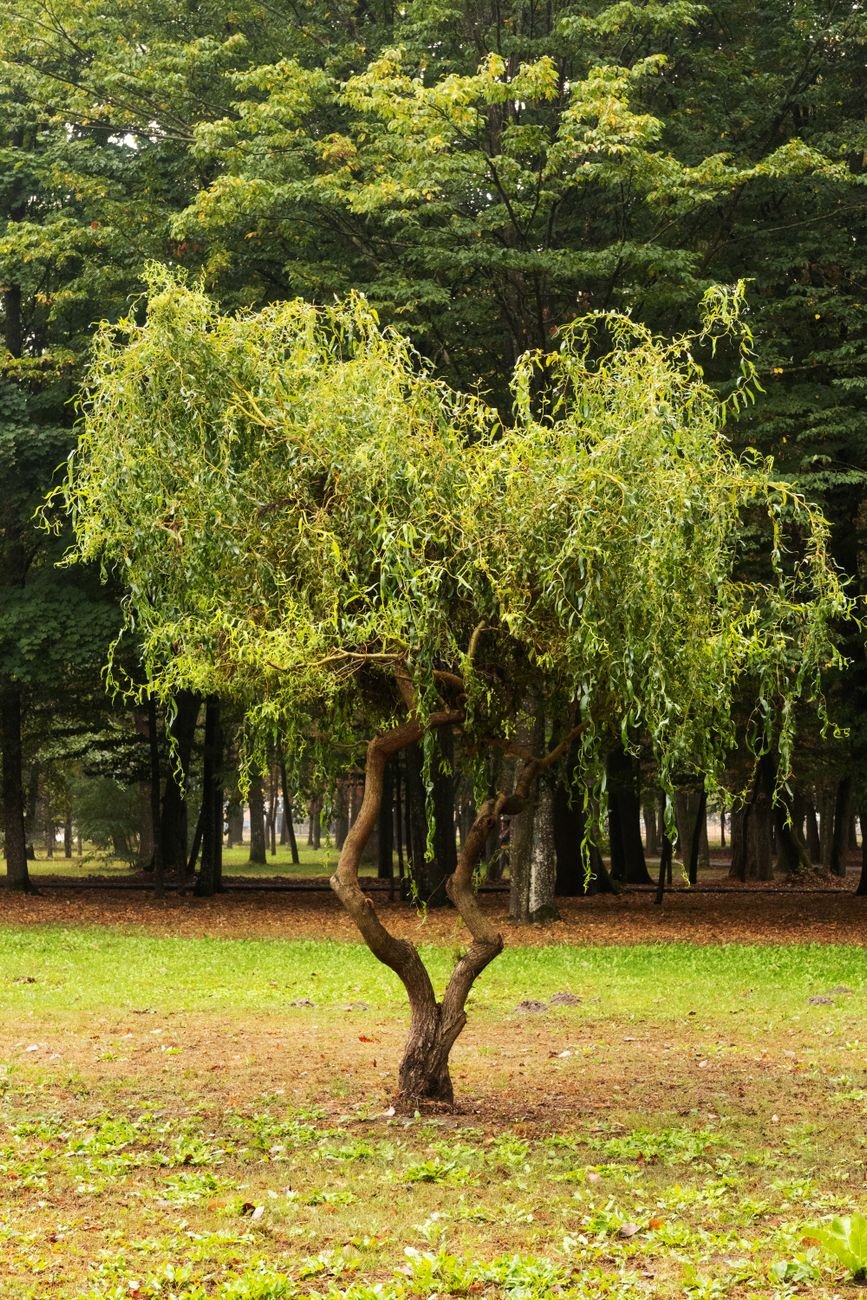
Weeping forms—such as weeping cherry or weeping birch—introduce flowing architectural shape without requiring high vertical clearance.
19. Multi-Stemmed Birch or Serviceberry
Multi-stemmed trees create a light, airy canopy with dramatic stem interest. Their open habit allows sunlight to filter down to ground-cover perennials below.
20. Small Compact Evergreen
Compact evergreen varieties provide year-round privacy screening and wind protection without growing out of proportion to your garden.
21. Wall-Trained Espalier Fruit Tree
Training fruit trees horizontally along sunny brick walls or wooden fences maximizes sun exposure and yield while utilizing zero floor space.
22. Tree Centerpiece in a Raised Bed
Planting a compact specimen in a raised border lifts the canopy higher, creating dramatic depth when underplanted with bulbs and trailing ground covers.
23. Patio Anchor Tree
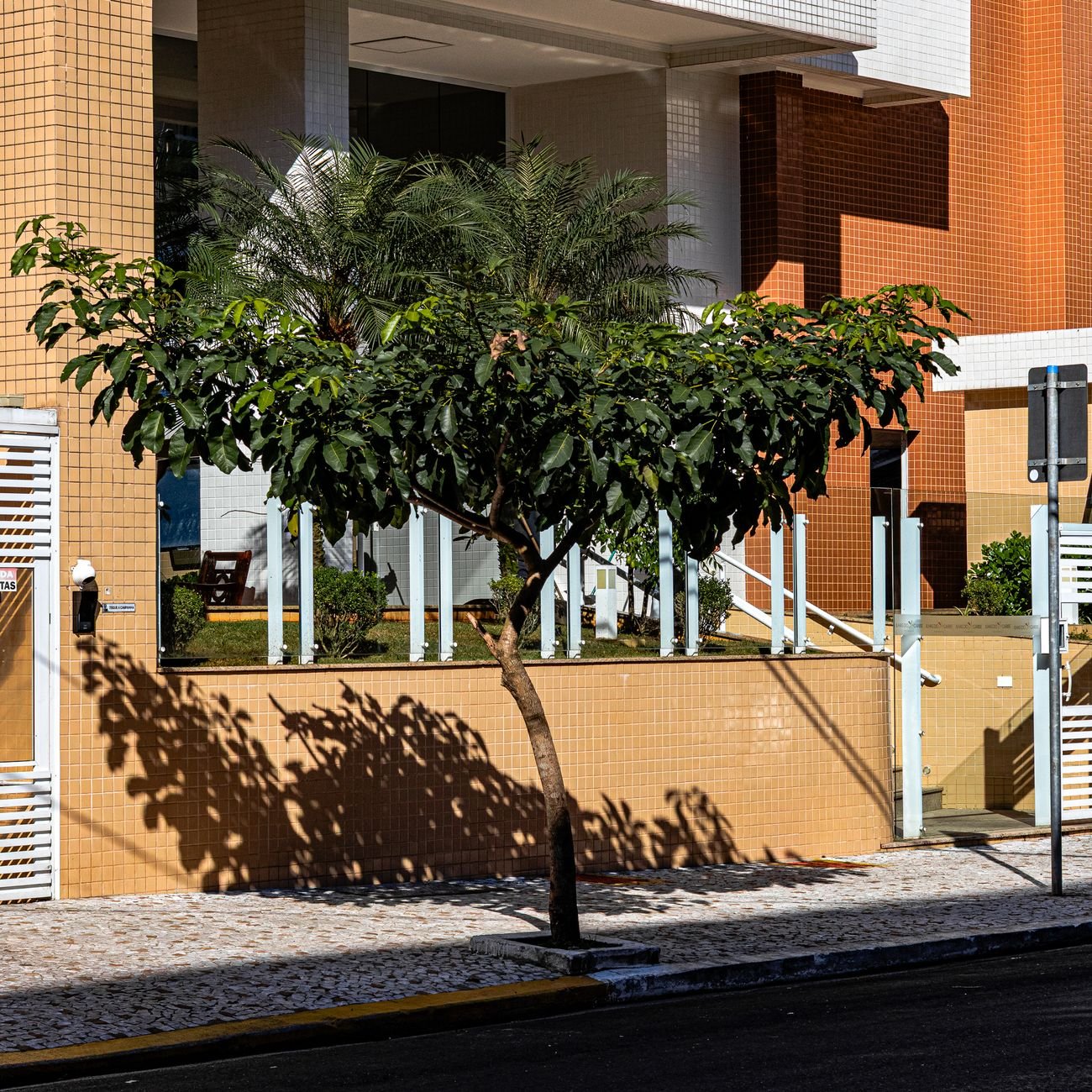
Planting a small tree adjacent to a patio defines an outdoor room and provides natural summer dappled shade for dining areas.
24. Single Specimen Focal Point
In very small yards, a single standout tree strategically positioned in line with a main home window has more aesthetic impact than multiple crowded plants.
25. Patio Container Tree
Growing trees like Japanese maples or dwarf citrus in large, well-draining pots provides mobility, allows for easy winter shelter, and controls overall growth.
How to Choose the Right Tree for Your Space
Before buying, measure your planting area carefully to avoid underestimating how much room a mature canopy requires.
Planning Steps:
- Draw a Scaled Layout: Map out your garden including fences, paving, and underground utilities.
- Mark Mature Dimensions: Draw a circle representing the tree’s full mature canopy spread.
- Assess Light Impact: Ensure the mature tree won’t block window light or cast unwanted shade over flowerbeds.
Consider Canopy Shape Over Height
Two trees with the same mature height can occupy vastly different volumes of space:
| Growth Form | Characteristics | Ideal For |
| Columnar / Fastigiate | Narrow, vertical growth habit | Tight side passages, pathways, fences |
| Rounded / Spreading | Broad, umbrella-like canopy | Open lawns, shade over seating areas |
| Weeping | Cascading downward branches | Garden ponds, patio focal points |
| Multi-Stemmed | Open, vase-shaped lower structure | Layered woodland borders, courtyard beds |
Maximizing Seasonal Interest
When garden space allows for only one or two trees, selecting multi-season varieties ensures year-round value:
- Spring: Delicate floral blossoms (e.g., Cherry, Magnolia, Serviceberry).
- Summer: Lush foliage, fruit development, and dappled shade.
- Autumn: Fiery foliage changes (e.g., Japanese Maple, Dogwood).
- Winter: Architectural branching, peeling bark, or evergreen structure (e.g., Paperbark Maple, Dwarf Conifer).
Planting and Maintenance Best Practices
Planting Guide:
- Timing: Plant from autumn through early spring when the tree is dormant.
- Site Preparation: Dig a pit twice as wide as the rootball but the same depth.
- Moisture Retention: Apply a $5\text{ cm}$ layer of organic mulch around the base, keeping it clear of direct contact with the trunk bark.
Long-Term Care:
- Watering: Water deeply during dry spells for the first two growing seasons while roots establish.
- Pruning: Perform minimal maintenance pruning to remove dead, damaged, or crossing branches rather than attempting heavy size-reduction cuts.
Common Mistakes to Avoid
- Ignoring Mature Size: Selecting a tree based solely on its small size in a nursery pot.
- Planting Too Close to Walls: Failing to account for root expansion and gutter overhangs.
- Poor Soil Matching: Planting acid-loving trees (like some Magnolias) in alkaline soil.
- Over-Pruning: Buying a vigorous tree and attempting to keep it artificially small through severe topping.
Frequently Asked Questions
What is the best tree for a small garden?
There is no single best tree, but top contenders include Japanese Maple (Acer palmatum), Serviceberry (Amelanchier), Star Magnolia (Magnolia stellata), and Crabapple (Malus).
Can I grow trees successfully in containers?
Yes. Compact Japanese maples, olives, bay trees, and dwarf conifers thrive in large containers provided they have adequate drainage holes and fresh potting soil.
How far should I plant a small tree from my house?
As a general guideline, plant trees at a distance at least equal to half their mature canopy width away from structural walls.
Do small garden trees require regular pruning?
Properly chosen dwarf or compact varieties require minimal pruning—mostly limited to removing dead or crossing wood in late winter or early spring.
Conclusion
A well-chosen small garden tree provides vertical interest, shade, seasonal color, and wildlife value without dominating your outdoor living area. By focusing on mature height and spread, selecting multi-season varieties, and matching the tree to your local soil and light conditions, even the smallest patio or yard can accommodate a stunning botanical centerpiece.