
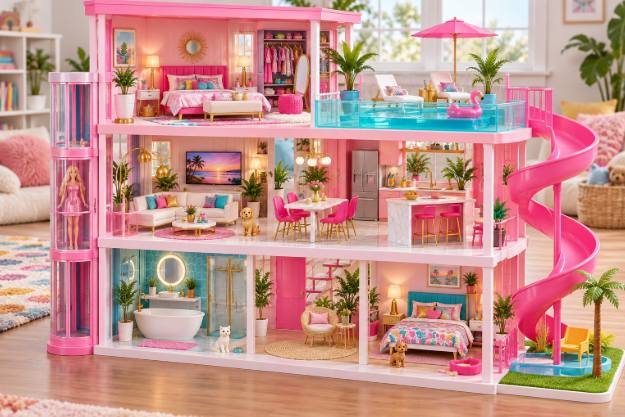
A Barbie Dream House can be more than a pink toy that sits in the corner of a bedroom. For a child, a Barbie Dream House can become a café before lunch, a vacation rental after school, and a home for a cast of dolls by bedtime.
For parents, choosing a Barbie Dream House brings practical questions:
- How much floor space does a Barbie Dream House need?
- What comes in the box?
- Is it easy to assemble?
- Will the accessories stay organized?
Looking at these details first helps you find a playset that fits both your child’s imagination and your home.
Mattel sells various Barbie Dream House models, and the features differ significantly. Current listings include large multi-level DreamHouse sets as well as smaller houses and compact playsets. For example, one DreamHouse listing describes two house structures, two pools, two slides, a working elevator, and more than 65 pieces. Another model features three floors, multiple play areas, lights, sounds, and over 75 accessories. Always check the product page and box details before buying, as included pieces and names vary by release.
What Makes the Barbie DreamHouse Appealing?
Expansive Scale and Open-Ended Storytelling
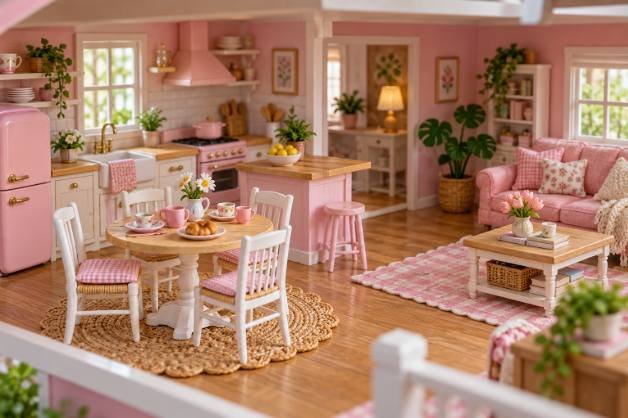
The first thing most children notice is the sheer scale of a Barbie Dream House. A full-size house offers multiple rooms to arrange and plenty of space for dolls to move between scenes. It naturally supports open-ended play: a child decides who lives in the house, what each room is for, and what happens next. One day the living room might host a birthday party; the next, it becomes a health clinic or a movie night setup.
A Central Hub for Existing Toys
The Barbie DreamHouse gives children a designated place to use the Barbie items they already own. Rather than leaving a doll, pet, outfit, or piece of furniture sitting in a storage bin, the house brings an existing collection together into a single, cohesive story setting.
Social Play and Cooperative Learning
A large Barbie Dream House invites shared play between siblings or friends. Kids can assign characters, negotiate who gets which room, and invent a story together. This gives them a natural opportunity to practice taking turns, sharing space, and building creative plots as a team.
Key Features to Look For
Room Count and Accessibility
Room count makes a Barbie Dream House feel substantial, but the physical layout matters just as much. Look for play areas that are easy to reach from the front or sides. If children can easily see and access every room, they can move dolls around without constantly turning the heavy house or knocking over furniture. A layout that supports 360-degree or multi-side play works exceptionally well for shared play.
Modern Barbie Dream Houses often include versatile indoor and outdoor spaces, such as:
- Kitchens and dining areas
- Bedrooms and bathrooms
- Balconies, patios, and yards
- Swimming pools and pet play zones
Because features vary by release, treat product photographs as a general guide and carefully read the official “what’s included” list.
Moving Parts and Interactive Details
Slides, elevators, swings, lights, sounds, and transforming furniture add dynamic energy to pretend play. Mattel’s product options highlight varying interactive features:
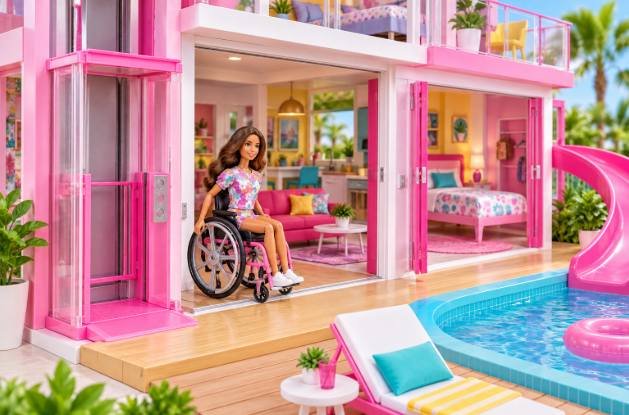
- Some models feature an elevator and slide specifically designed to accommodate a Barbie doll in a wheelchair.
- Other listings feature movable, reconfigurable slides and dual-pool setups.
Consider your family’s preferences before choosing interactive features. A child who loves sensory feedback will enjoy lights and sounds, while another may prefer quietly arranging furniture. If a set requires batteries, check what type it needs, whether they are included, and if the sound controls are easily accessible and volume-appropriate for your home.
Included Furniture and Accessories
Accessories add realistic variety, but a high piece count also means more small items to keep track of.
When evaluating a set, confirm whether it includes:
- Core Furniture: Beds, chairs, tables, or sofas.
- Dolls: Some sets include a doll, while most contain only the house structure and accessories.
- Small Props: Kitchenware, blankets, or pet toys that match room themes.
Before purchasing standalone furniture sets later, verify their scale to ensure they fit properly with the dollhouse and your existing dolls.
Size and Space Considerations
Measure Your Space Before Buying
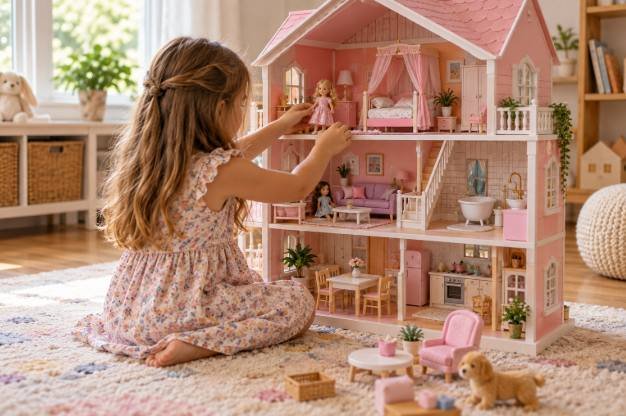
A large dollhouse looks impressive, but it requires a dedicated footprint. Measure your designated space beforehand to ensure there is room for both building and active play.
- Play Clearance: Leave enough room around the front and sides so a child can comfortably stand, kneel, or sit.
- Wall vs. Center Setup: Even if a set fits against a wall, it will feel cramped if there is no room to maneuver in front of it.
- Surface Stability: If placing the house on a table, verify that the tabletop is wide and sturdy enough not to tip when a child leans against the upper floors. A low, sturdy surface or the floor is usually best.
Storage and Mobility
A fully assembled, large playset can be difficult to carry through standard doorways. Check if the house can be disassembled without damaging plastic connectors, and keep the assembly manual saved. If your family moves often or shares a multi-purpose living space, a compact or folding Barbie dollhouse might be a more practical choice.
Assembly and Setup Tips
- Clear a Workspace: Before opening the box, clear a large floor area and compare the parts against the instruction sheet.
- Sort the Pieces: Group components logically—walls, floorboards, large furniture, and tiny accessories. This reduces confusion and prevents small parts from being stepped on.
- Assemble Carefully: If a connector requires force, do not twist or strain the plastic. Follow the directions step-by-step and ask a second adult for assistance if needed.
- Test Moving Parts: Once built, gently test slides, elevators, doors, and interactive electronics to ensure everything operates smoothly.
- Keep Documentation: Save the instruction manual and the product box label/number. Mattel provides downloadable instruction sheets on its customer service portal if you ever need replacement guidance.
Ideas to Encourage Creative Play
A child doesn’t need a strict plan to enjoy a dollhouse. If they are looking for inspiration, try offering open-ended prompts:
- “Who is coming over today, and how should we prepare the house?”
- “Which room should we convert into something completely new today?”
- “What would the pets do if they were in charge of the schedule?”
- “Is someone opening a shop, running a restaurant, or going on a trip?”
Expanding Play with DIY Elements
Encourage children to build a surrounding neighborhood using other household items:
- Building blocks can become mailboxes or street benches.
- Folded paper works as menus or wall art.
- Small cardboard boxes easily transform into delivery vans or extra room additions.
Rearranging furniture periodically—like turning a table into a craft station or moving a chair to create a cozy reading nook—can also make the playset feel brand new without buying extra sets.
Safety and Maintenance Guidance
- Age Recommendations: Always follow the age markings on the package. Standard full-size Barbie Dream Houses are typically rated for ages 3 and up and carry a choking hazard warning for small parts, making them unsuitable for children under 3.
- Structural Checks: Periodically check assembled plastic parts for sharp edges, cracked pieces, or loose joints.
- Battery Safety: Follow manufacturer guidelines for battery installation. Always remove batteries if storing the dollhouse for an extended period, and do not mix old and new batteries.
- Cleaning Instructions: Clean plastic surfaces with a damp cloth and mild soap according to the product manual. Avoid soaking parts or using harsh chemical cleaners that could strip decals.
Organization and Storage Strategies
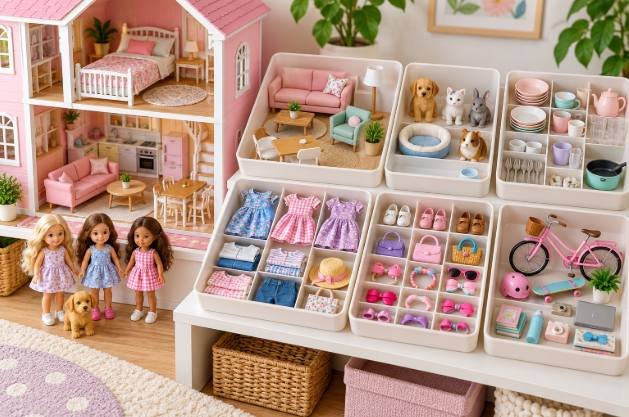
To prevent a large Barbie DreamHouse from cluttering your floor space, establish a simple storage routine:
- Categorized Bins: Use a small compartment organizer or labeled bins for tiny items (e.g., one bin for food/kitchenware, one for clothing/accessories, and one for pets).
- Manageable Routines: Implement a simple rule like “put away 5 small pieces before moving to the next activity” to keep cleanup stress-free.
- Pace Additional Purchases: Resist buying every accessory pack at once. Start with what comes in the box, observe how your child plays, and gradually add pieces that match their specific interests (e.g., extra pet sets for animal lovers or cooking tools for restaurant play).
Choosing the Right Model as a Gift
When selecting a Barbie DreamHouse as a gift, consider the following factors:
- Space Limits: For smaller rooms, compact or fold-out models are often a better fit than giant multi-level structures.
- Child’s Play Style: Kids who love spatial arrangement will prefer sets rich in furniture; kids who love action will appreciate working slides, elevators, and pools.
- Total Cost of Ownership: Remember to account for potential extras, such as batteries, storage containers, or additional dolls if the set does not include them.
- Verification: Check retailer return policies and inspect the box upon delivery. Verify the exact model number, as product photos alone can look similar across different release years.
Frequently Asked Questions
What comes with a Barbie DreamHouse?
Contents vary by model. A set typically includes the house frame, furniture, and themed accessories. Some releases include pets, slides, pools, or a doll, while others sell dolls separately. Always check the official package list on the box or product page.
How much space does a Barbie DreamHouse require?
It depends on the model, but full-sized sets can measure several feet wide and tall. Always check the assembled dimensions and ensure you have extra room around the front and sides for active play.
Is a Barbie DreamHouse suitable for a 3-year-old?
Most full-size DreamHouses are rated for ages 3 and up. However, because they contain small accessory pieces that pose a choking hazard, close supervision is required for younger children.
Do Barbie dolls fit in every room and feature?
Standard 11.5-inch Barbie dolls fit standard rooms, furniture, and elevators. Some specific features (like wheelchair-accessible elevators) are explicitly designed to accommodate specialized dolls.
Can you add extra furniture later?
Yes, most standard-scale Barbie furniture and accessory sets are cross-compatible and can be added over time to expand play.
Conclusion
A Barbie DreamHouse offers a versatile setting for storytelling, role-play, and everyday pretend routines. The best model is the one that fits your child’s imaginative interests and your home’s available floor space. By checking included pieces, measuring your room, and establishing a basic organization system, you can create a creative play space that your child will enjoy making their own for years to come.